
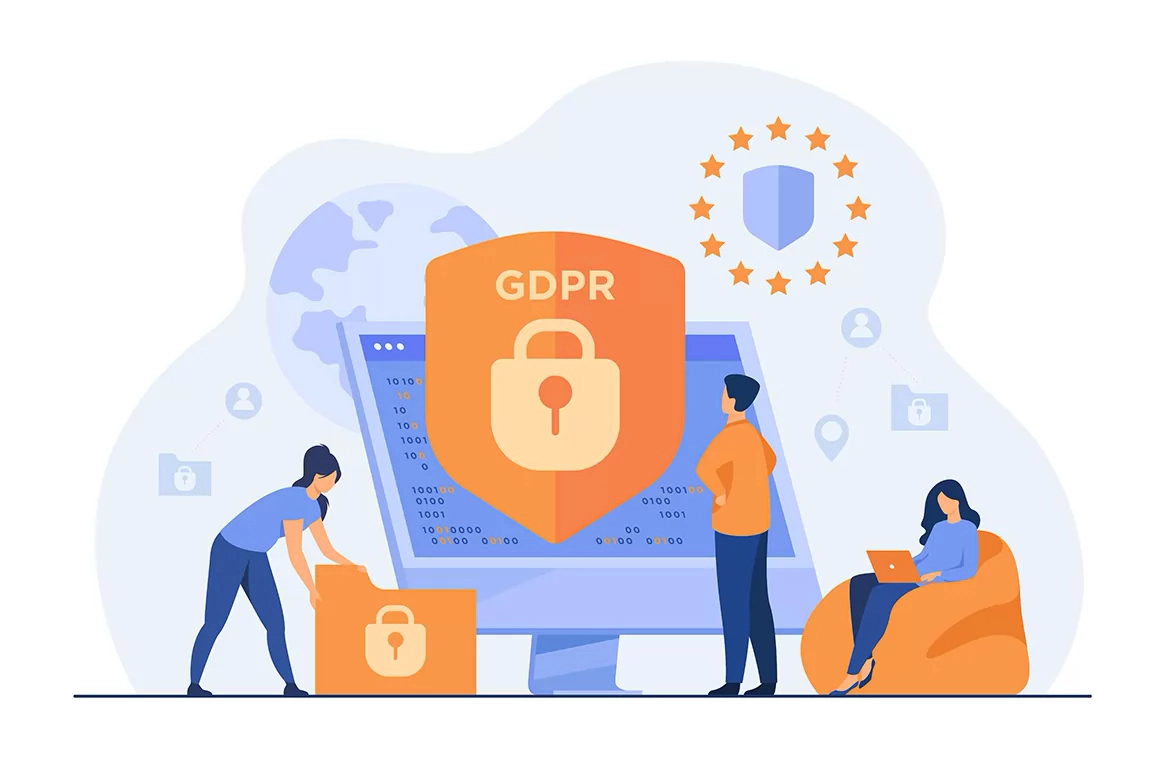
Introduction to GDPR
GDPR, or the General Data Protection Regulation, is a European data protection regulation that came into force on 25 May 2018. It was designed to strengthen the privacy rights of European Union (EU) citizens and regulate how organizations process personal data.
The objectives of GDPR
GDPR aims to:
- Give individuals greater control over their personal data.
- Harmonize data protection laws across the EU.
- Strengthen individuals’ rights regarding their personal data.
- Make companies and organizations more accountable in the management of personal data.
- Ensure a consistent regulatory framework for international data trade.
Impact on privacy
GDPR has a significant impact on individual privacy. It ensures that people have the right to know what data is collected about them, why it is collected and how it will be used. Individuals also have the right to give informed consent for the processing of their data and to withdraw that consent at any time.
Impact on companies and organizations
GDPR imposes strict requirements on companies and organizations that process personal data. This includes the need to appoint a Data Protection Officer (DPO), carry out Data Protection Impact Assessments (DPIAs) for risky data processing operations, and notify data breaches to supervisory authorities and affected individuals.
Main GDPR requirements
The main GDPR requirements include:
- The need to obtain explicit consent for data processing.
- Implementing security measures to protect personal data.
- Appointing a DPO if processing is carried out by a public body, or if the organization’s core activities involve large-scale systematic monitoring of individuals or the processing of sensitive data.
- The right for individuals to access their personal data and have it corrected or deleted.
- The right to data portability, allowing individuals to transfer their personal data from one organization to another.
Conclusion
GDPR is a major piece of data protection legislation that aims to strengthen individuals’ privacy and make companies more accountable in the processing of personal data. It has a significant impact on how data is collected, stored and used, and it is essential for companies and organizations to comply with its requirements in order to avoid potentially heavy fines and preserve customer trust.